

Design · Permits · InstallPatio covers · Las Vegas, Nevada
Patio covers built for Las Vegas summers
Patio covers in Las Vegas are not a luxury add-on. They are how a backyard stays usable from May to October. We help you choose the right cover, budget it honestly, clear the HOA and permit steps, and book one local installer to build it.
Local installers · Written, itemized bids · No obligation
Free on-site estimate
Price your patio cover
Answer four short questions. A Las Vegas patio cover installer calls to set a time.
- 120°FHottest reading on record at Harry Reid International Airport, July 7, 2024
- $5k–$10kWhere most standard installed Las Vegas patio covers land, per 2026 cost guides
- 2024Residential code edition Clark County has enforced since January 11, 2026
- 12Valley communities with their own planning notes
The idea
Shade is the first amenity of a desert home
A backyard in the Las Vegas Valley has two lives. From November through April it is the best room of the house: sixty-degree afternoons, a fire table at night, the Spring Mountains turning pink at sunset. From late May through September the same concrete slab can get hot enough to burn bare feet, and the sliding door stays shut until well after dark.
A well-built patio cover changes that second season. It drops the surface temperature of the slab, keeps the sun off the glass on a west-facing wall, gives the ceiling fan and misting line somewhere to hang, and turns the area right outside the kitchen into space a family actually uses in July. It also shades the house itself, which is why so many valley homeowners treat a cover as part of how they keep the power bill in check.
Our job is simple. We publish the planning information Las Vegas homeowners keep asking about, from honest price ranges to the permit and HOA steps, and when you are ready, one local patio cover installer calls to set up a free on-site estimate.

Services
Patio cover services in Las Vegas
Every project starts with one question: what is the backyard failing to do in summer? The answer decides whether you need deep solid shade, filtered light, adjustable louvers, walls with screens, or a sail over the pool.
- 01Aluminum & AlumawoodSolid and combination aluminum patio covers with a wood-grain finish, attached to the house or freestanding, permitted and engineered for wind.
- 02Insulated coversInsulated sandwich-panel roofs that block radiant heat, carry fans and recessed lights, and turn a patio into a true outdoor room.
- 03Lattice coversOpen aluminum lattice covers that filter sun, let heat escape and keep plants happy, at the most approachable price per square foot.
- 04Louvered pergolasAluminum pergolas with rotating roof blades you open for winter sun and close against summer heat and monsoon rain, manual or motorized.
- 05PergolasOpen-beam pergolas in aluminum, powder-coated steel or wood, attached or freestanding, with shade cloth, canopies or louvers for desert sun.
- 06Patio enclosuresScreen rooms, acrylic and glass enclosures and sunrooms built under or with a patio cover, for bug-free evenings and dust-free shade.
- 07Patio awningsRetractable and fixed awnings for patios, windows and doors, with sun-rated fabrics and wind sensors for a city of monsoon gusts.
- 08Shade sailsCommercial-grade shade sails tensioned on steel posts over pools, play areas and patios, engineered for gusts and easy to drop before storms.
What is being built now
The patio covers Las Vegas homeowners choose most
We did not guess at this. We downloaded the city's public building-permit file for every residential patio permit issued from January 2024 through November 2026, 3,739 in all, and read the detailed permit logs North Las Vegas publishes, which list the roof type, size and slab on each job. The pattern is clear: nearly all of these covers are retrofits added to existing homes by specialty patio contractors, not structures included by the homebuilder, and the overwhelming favorite is a prefabricated, attached, solid aluminum roof.


What the permit records show. Of the 3,739 City of Las Vegas residential patio permits, 3,421 of them, about 92 percent, carried the city's fee code for prefabricated covers and shade structures; only 264 were custom-built structures. Homebuilders applied for roughly ten of them, so almost every cover was added after the owners moved in. Among the North Las Vegas home permits we sampled, 25 out of 28 had solid roofs, two were lattice and one was a combination, most 10 to 12 feet deep and 200 to 420 square feet, and about two-thirds were bolted over an existing concrete slab while the rest needed new footings on bare dirt.
Where they are going up. The busiest ZIP codes in the city data were 89166 (Skye Canyon and the Kyle Canyon corridor, 910 permits), 89138 (Summerlin West, 448), 89131 and 89149 in Centennial Hills, and 89143 in the far northwest. Those are mostly homes built in the last ten to fifteen years whose original builder patio was a bare slab or a shallow overhang, which owners cover within their first few summers.
Who builds them. About two-thirds of the licensed applicants held the Nevada C-14H classification for awnings and louvres, the specialty patio cover license, with landscape, masonry and pool contractors making up most of the rest.
What that means for you. Solid embossed aluminum off the fascia is the valley's default retrofit: white, almond or desert tan, 10 to 12 feet deep, with a fan beam. Combination and open lattice roofs fill the budget and garden niches. Insulated roofs and louvered pergolas are a smaller share of permits, chosen by homeowners who want a full outdoor room and are willing to pay for it. Read the details on aluminum covers, insulated covers, lattice and louvered pergolas.

Built for the Mojave
“In this valley the sun decides how a backyard gets used. A good cover gives that decision back to you.”The idea that runs through all of our desert shade guides
Styles & add-ons
Five directions that suit valley homes
Style here follows the house. A flat, crisp aluminum roof suits the stucco-and-stone contemporaries going up in Summerlin West and Skye Canyon; a beamed pergola feels right beside a Tuscan-tile two-story in Seven Hills; a freestanding cabana belongs at the far end of the pool.

Modern covers
Clean-lined patio covers for desert-modern homes: flat insulated roofs, slim steel posts, concealed gutters and integrated lighting.
Open
Freestanding covers
Detached patio covers, cabanas and ramadas that stand on their own posts anywhere in the yard, from the pool's edge to the back wall.
Open
Fans, lights & misters
Ceiling fans, recessed and string lighting, misting systems and infrared heaters for Las Vegas patio covers, with permit and wiring notes.
Open
Pool shade
Shade for pool decks and swim areas: cabanas, partial covers, sails and louvered roofs placed to cool the deck without darkening the water.
Open
Outdoor kitchen covers
Covers, pavilions and pergolas over outdoor kitchens, planned for grill clearances, ventilation, lighting and the heat of a desert summer.
Open


Budget
Patio cover cost in Las Vegas
This year's local guides place a typical installed cover around $5,000 to $10,000, and custom builds past $15,000. Open aluminum lattice is the least expensive per square foot, commonly $15 to $25 installed. Solid embossed-aluminum covers in the Alumawood style run higher, and insulated foam-core roofs higher again.
Real permit records tell the same story. North Las Vegas permits for attached covers show valuations near $3,500 for a 200-square-foot lattice-style job and $20,000 to $25,000 for large insulated covers built on new footings. Size, roof type, fans and lighting, and whether the cover attaches to the house or stands alone explain nearly all of the spread.
Two Nevada details belong in every budget. Any cover that needs a building permit must be built by a contractor licensed through the Nevada State Contractors Board. And Clark County's combined sales tax of 8.375% applies to materials, which most installers fold into the bid.
- $3k–$6kSmall lattice or solid aluminum cover over a standard slab
- $6k–$12kMid-size solid or insulated cover with a fan box and lights
- $12k–$25kLarge insulated or freestanding structure on new footings
- $25k+Motorized louvered pergolas, enclosures and full outdoor rooms
Ranges blend this year's local cost guides, HomeGuide's Alumawood figures and North Las Vegas permit values. Only a written bid sets the actual price.
The process
From first call to final inspection
Most valley patio covers take four to ten weeks from the first visit to a finished structure, and the build itself is usually one to four days. Paperwork, not carpentry, sets the pace.
-
Share the basics
Fill in the short form or phone us. The rough size of the patio, which way it faces and whether you have an HOA are enough to begin.
-
On-site measure
A local installer visits, measures the slab and fascia, checks the roof line and footing locations, and talks through roof types with you outside.
-
Design and bid
You receive a drawing, color and roof selections, and a written, itemized price that names who handles engineering, HOA submittals and permits.
-
HOA and permit
The HOA design committee signs off first where one exists, then the city or Clark County issues the building permit, plus an electrical permit for fans or lights.
-
Build and inspect
Footings, posts, beams and roof go up, the inspector signs off, and the electrician finishes fans and lights before the final walk-through.
Local knowledge
What is different about building shade here
Patio cover advice written for Ohio or Oregon misses what matters most in the Mojave. These are the Las Vegas specifics that change real decisions.
Heat that keeps setting records
The official thermometer at the airport touched 120°F on July 7, 2024, and that month's highs averaged 111.5°F in the weather service record that KTNV reported. Roof choice is a heat decision first: insulated panels and light colors keep the space under the cover noticeably cooler than bare metal.
Monsoon wind, not snow, is the load to respect
From roughly mid-June through September, thunderstorms and dry microbursts push gusts near 70 mph across the valley. Posts, footings and the connection to the house matter more here than snow capacity, which is why engineered or pre-approved designs are the norm.
A state license is non-negotiable
Nevada requires a State Contractors Board license for nearly all paid construction. The small-job exemption only covers work under $1,000 that needs no permit, and a patio cover needs a permit, so whoever builds yours must be licensed.
Four permit offices, one regional code
Four separate building departments in the valley issue permits, but all of them build from shared Southern Nevada amendments to the international codes. Your address, not your mailing city, decides which counter you deal with.
HOAs review almost everything
A large share of valley homes sit in master-planned communities. Summerlin's design review committees, for example, say patio covers and shade structures need prior approval even when they cannot be seen from the street. HOA approval usually has to come before the building permit.
Sun angles beat square footage
A west-facing patio takes the brutal 4 p.m. sun almost horizontally, so a cover that looks generous on paper can leave the table in full sun at dinner. Extending the projection, adding a side screen or angling the louvers fixes more than simply buying a bigger slab.
Choosing who builds it
Patio cover contractors in Las Vegas
Look up patio cover contractors in Las Vegas and three types of businesses appear. Dedicated patio cover installers build aluminum, Alumawood-style and insulated covers every day, often from the same few manufacturers, and know the local plan-check routine by heart. Pergola and outdoor-living builders lean toward custom steel, wood and louvered systems and frequently pair the cover with an outdoor kitchen or fire feature. General contractors take on covers as part of a larger backyard or home project.
For a standard attached cover, a specialist is usually the simplest path, because one firm handles drawings, engineering, the HOA packet, the permit and the build. A builder with design depth makes more sense for a freestanding structure, a pergola tied into a pool remodel or anything with a motorized roof.
Whichever route you choose, look up the company on the state contractors board site and check its monetary limit before you sign, since a cover always requires a permit. Compare written bids line by line, ask who pulls the electrical permit for fans and lights, and make sure HOA approval is in hand before any deposit buys materials.
Ask for an estimate here and one local installer phones to book a free visit. Before then, skim the cost guide and the permit and HOA guide for what to ask.
Inspiration
The shade lookbook
Scroll sideways through covers, pergolas and sails suited to the desert; tapping a picture opens it large. They illustrate styles and are not photos of local jobs.
Before & after
From scorched slab to outdoor room
Three upgrades valley owners request again and again, illustrated with paired photos. Each pair combines two unrelated properties, so read them as ideas rather than records of specific local projects.
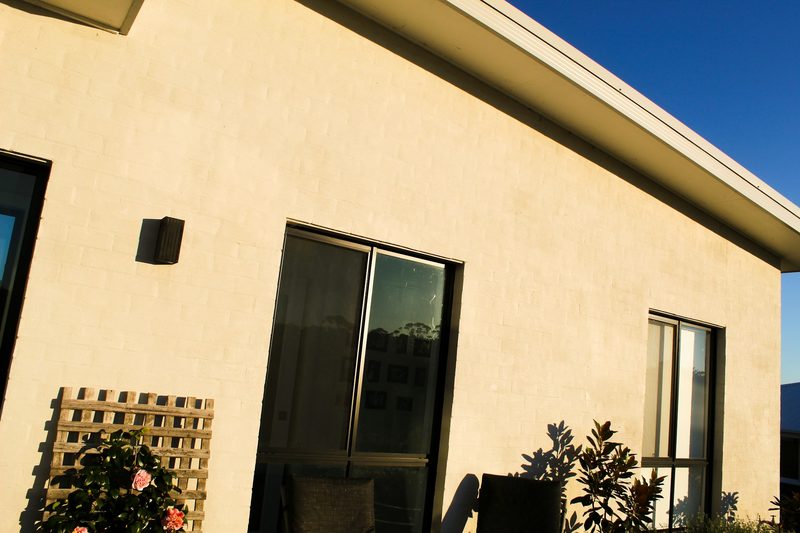
Before 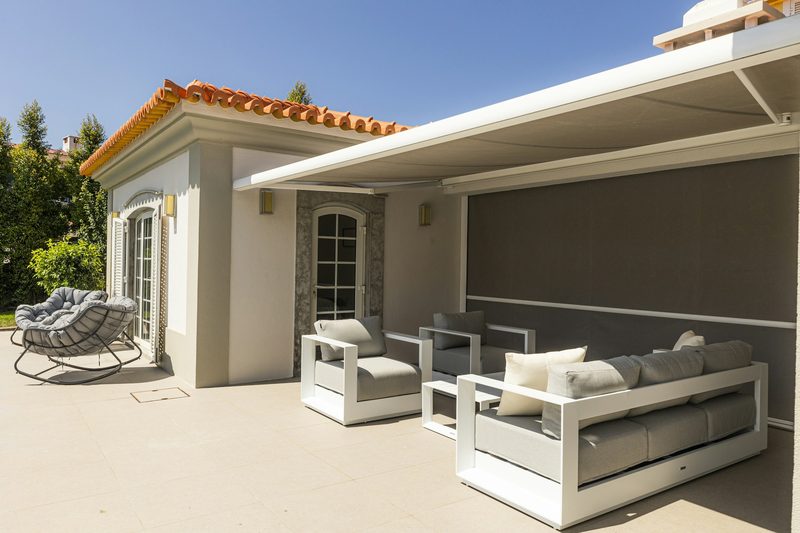
After Bare slab to solid shade
A bare builder slab, the way most valley homes are delivered, becomes a shaded dining room the moment a solid aluminum roof goes up off the fascia, with a fan box ready for summer.
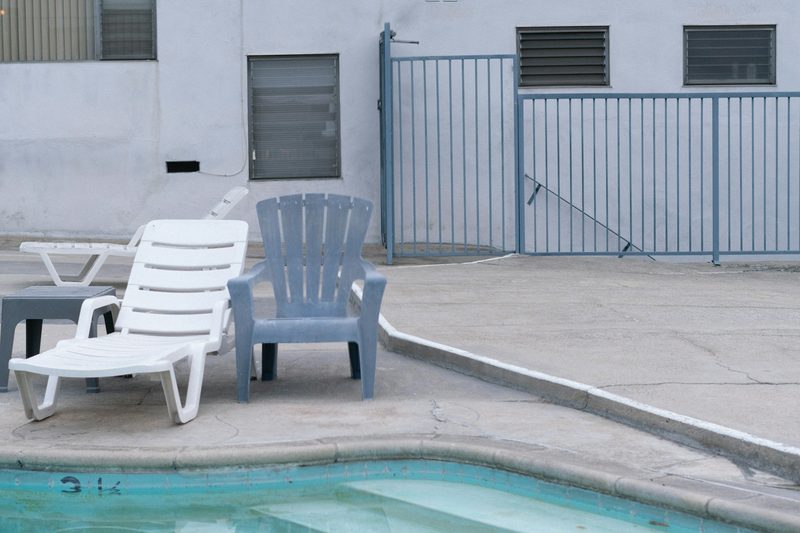
Before 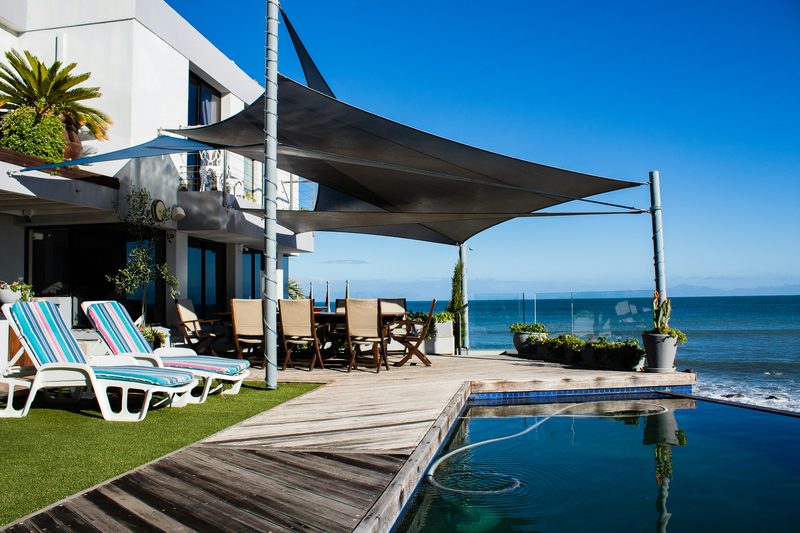
After Glare to filtered pool shade
Tensioned sails on steel posts take the edge off midday glare at the pool without blocking the view or the breeze, and they come down before the windy season if you choose.
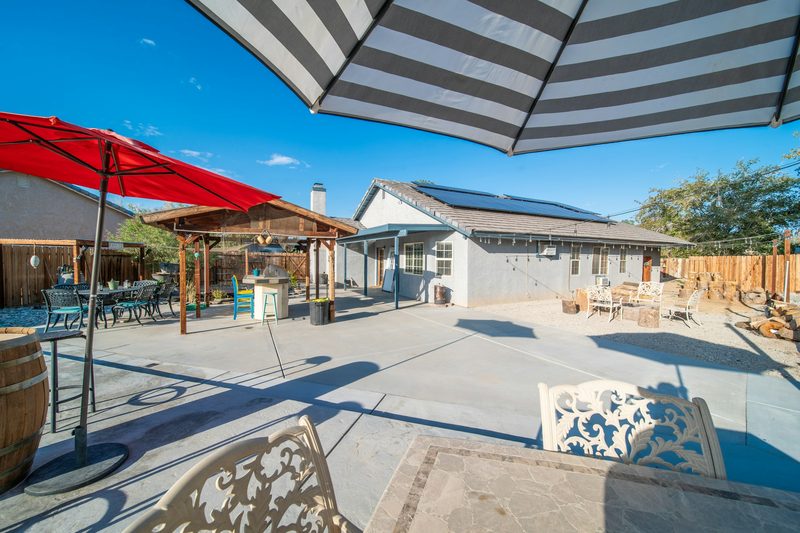
Before 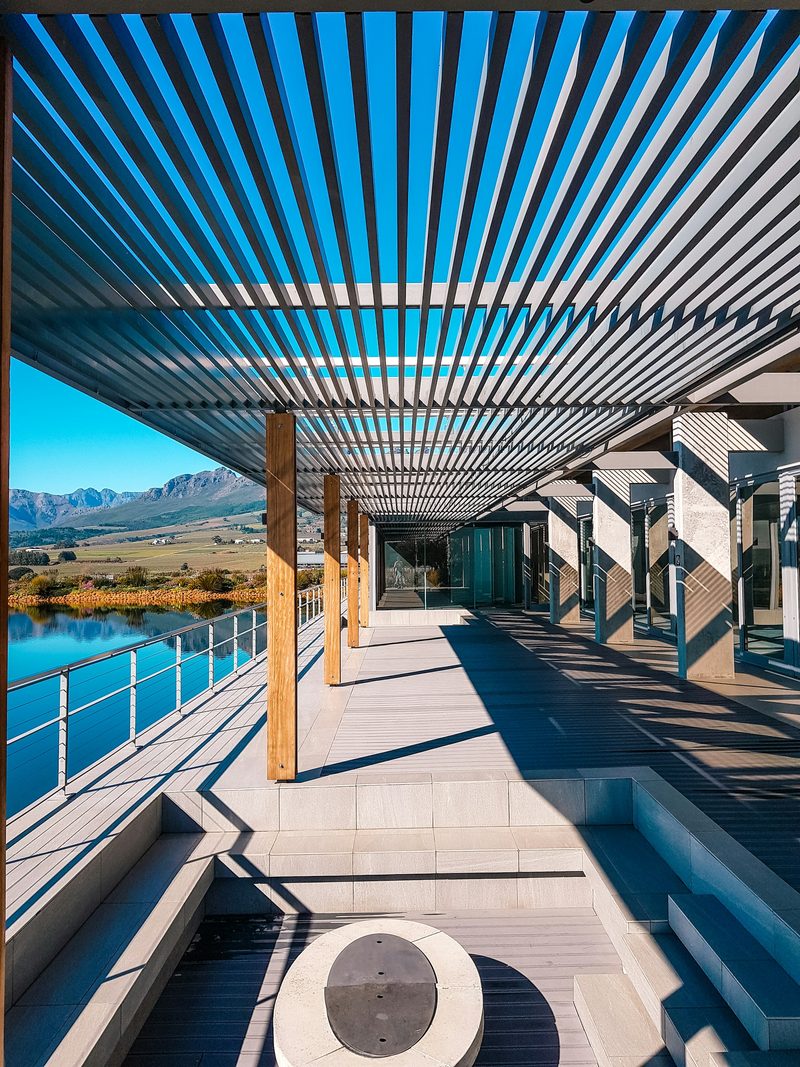
After Umbrellas to adjustable louvers
Market umbrellas that blow over in every monsoon gust give way to a louvered roof you can open for winter sun and close tight for July afternoons.


Service areas
The valley, community by community
We publish community-specific planning notes for the parts of the valley where patio covers are most requested, from the master-planned west side to the older neighborhoods east of the Strip.
Estimator
Price your patio cover in a minute
Slide to the area you want covered, pick a roof type and add the extras. It uses valley price ranges and adds a usual permit allowance; use the answer to frame a conversation with an installer, since it is not a bid.
Three decisions move the total most: solid or insulated versus open lattice, attached versus freestanding, and whether you want power for fans and lights. Our cost guide goes deeper on each.
Why it matters
The backyard is the other half of a desert house
Lots in newer valley subdivisions are small, and the floor plans inside are often open to a wall of sliding glass. When the patio outside that glass is unusable for five months, the house effectively shrinks. Kids stay inside, the grill sits idle, and the dining table never makes it out the door.
Shade fixes that in a way few other projects can. A covered patio becomes the place for morning coffee before the heat builds, for dinner after the sun drops behind the Spring Mountains, and for monsoon-season evenings watching lightning over the valley without getting soaked. It also keeps direct sun off the glass, which helps the rooms inside stay cooler.
Small upgrades, big difference
Not every improvement requires a giant structure. A fan box wired during the build costs little and moves air all summer. A roll-down screen on the west side blocks the low sun that solid roofs miss. A misting line clipped along a beam takes the edge off dry 105-degree afternoons. Light-colored roof panels reflect more heat than dark ones. Our guides explain which upgrades earn their keep.

Planning guides
Read before you build
Five long-form guides tackle what nearly every valley cover project runs into, with sources named and local specifics included.
- 01Cost guideWhat patio covers cost in Las Vegas in 2026 by roof type and size, with per-square-foot ranges, permit valuations, add-ons and sales tax.
- 02Permits & HOA guidePatio cover permits in Las Vegas, Henderson, North Las Vegas, Boulder City and Clark County, plus HOA design review, setbacks and licensing.
- 03Aluminum vs. woodAluminum, wood, steel, vinyl and insulated panels compared for Las Vegas sun, heat, termites, wind and maintenance, with costs.
- 04Timeline & best seasonHow long a Las Vegas patio cover takes from estimate to final inspection, what causes delays, and the best months to book and build.
- 05Repair or replaceHow to decide whether to repair or replace an aging Las Vegas patio cover, with warning signs, common repairs, costs and permit questions.
Know the true cost
Price ranges by roof type and size, per-square-foot figures, what fans, lights and footings add, and how permit valuations in North Las Vegas compare with online quotes.
Know the rules
Which office issues your permit, what a site plan has to show, how setbacks and electrical permits work, and how to get through HOA design review without delays.
Know the schedule
How long HOA review, plan check and fabrication take, why spring books up early, and how to have shade in place before the first 110-degree week.
Before you call
Three things to know before the site visit
Your patio's size and orientation. Measure the slab and note which direction the back of the house faces. A west or south exposure usually calls for a deeper projection or a side screen.
A budget you are at ease with. Think of the figure you would happily pay, not your ceiling. The estimator lets you test it against a few roof types.
Your HOA's name. If you live in a master-planned community, find the design guidelines or architectural review form now. Many committees meet monthly, and their approval comes before the permit.
And three questions to answer honestly
- What time of day do you most want to be outside, and where is the sun then?
- Do you want deep solid shade, filtered light, or a roof you can open in winter?
- Will you want a fan, lights or a TV out there in a year or two?
Bring those answers to the estimate, and the installer can focus on options that truly fit instead of starting from a catalog. Splitting your wishes into needs and extras also tells the installer what to trim if the first price runs high. Most homeowners find that size, orientation, budget and HOA status, plus one or two priorities, are enough to produce a sensible design and a fair written price.
Materials
Choosing materials for Mojave sun
Every material over a Las Vegas patio faces the same tests: ultraviolet light that chalks cheap paint in a few summers, surface temperatures well past 150 degrees on dark metal, dust that settles in every groove, and monsoon gusts that try to lift anything with a flat face. Baked-enamel aluminum shrugs off sun and never needs staining. Insulated sandwich panels with a foam core keep the underside cool to the touch. Powder-coated steel gives crisp modern lines for longer spans. Real wood still belongs where it can be sealed often and admired up close.
Light roof colors reflect more heat than dark bronze or black. Stainless or coated fasteners resist corrosion from misters. And a fan rated for damp locations keeps the air moving when the breeze stops.

Local search guide
Patio covers near you, ZIP by ZIP
People rarely search for "shade structure." They search for patio covers near me, Alumawood patio covers in Las Vegas, a patio enclosure in Henderson or a pergola for a Summerlin pool. This guide follows those searches across the valley, so you can see what homeowners in your part of town usually build and which office signs off on it.
Northwest Las Vegas: 89129, 89130, 89131, 89143, 89149, 89166
Centennial Hills, Providence, Skye Canyon and the neighborhoods along the US 95 corridor are mostly inside the City of Las Vegas, so covers here go through the city's Patio Cover Application with a site plan showing setbacks. Lots built since 2000 tend to have generous rear yards and two-story homes, which makes full-width solid aluminum covers and insulated roofs off the great room the most requested projects. Skye Canyon's newer contemporary homes favor flat modern patio covers in black or bronze.
Summerlin and the west rim: 89134, 89135, 89138, 89144, 89145
Here, the search for a patio cover contractor in Summerlin usually ends at the design review committee first. Village sub-associations and the Summerlin North, South and West masters each require written approval for covers and shade structures. Tile-roofed homes from the 1990s suit tan embossed aluminum; newer villages near Red Rock lean toward louvered pergolas. Summerlin South addresses are permitted by Clark County, the rest mostly by the city.
Spring Valley and the west side: 89103, 89117, 89146, 89147, 89148
Unincorporated Clark County covers most of the west valley between the Strip and Summerlin. Many homes from the 1980s and 1990s here still carry their original wood or early aluminum covers, so "patio cover replacement Las Vegas" is a common search. Our repair or replace guide explains when to keep the old frame and when a new insulated roof makes more sense.
Southwest and Enterprise: 89113, 89139, 89141, 89178, 89179
The fastest-growing part of the county, including Mountain’s Edge, Rhodes Ranch, Southern Highlands and the new subdivisions along the 215 Beltway, is permitted by Clark County. Compact lots with block walls close to the slab make projection depth the key decision. A 10- to 12-foot solid cover with a fan, or shade sails over a small pool, are the typical answers.
Henderson: 89002, 89011, 89012, 89014, 89044, 89052, 89074
Henderson runs its own building department and publishes a 10-foot rear and 5-foot side setback for attached patio covers, pergolas and awnings. Green Valley's older homes generate steady demand for replacement covers, while Anthem, Inspirada and Cadence buyers ask for insulated roofs, pool cabanas and patio enclosures that keep dust and bugs out. Searches for patio covers in Henderson, NV often start with the setback question.
North Las Vegas: 89031, 89081, 89084, 89085, 89086
North Las Vegas permits covers through its own building safety office. Recent records show attached covers valued from about $3,500 for a 200-square-foot structure to $25,000 for large insulated roofs on new footings, a useful benchmark when you compare bids. Aliante, Eldorado and Valley Vista homes often pair an aluminum cover with a misting line and a west screen.
East and central valley: 89104, 89119, 89120, 89121, 89123
Paradise, Winchester, Sunrise Manor and Silverado Ranch hold some of the valley's oldest single-story ranch homes, including mid-century neighborhoods near UNLV. Larger lots make freestanding pavilions and outdoor kitchen covers practical. Most of this area is unincorporated Clark County, so permits run through the Department of Building & Fire Prevention on West Russell Road.
Boulder City: 89005
Boulder City is its own city with its own Building Division and a published Patio Cover Permit Submittal Checklist. Older homes near the historic downtown and newer streets toward Lake Mead both see covers, pergolas and awnings sized to small, view-oriented lots, with wind exposure from the open desert to the east.
What people search for
The questions behind the searches
"Alumawood patio cover Las Vegas cost." Solid embossed aluminum covers in the Alumawood style commonly run about $20 to $36 per square foot installed in the valley, with lattice lower. A typical 12-by-20-foot solid cover lands near $4,800 to $8,600 before fans and lights.
"Patio enclosure Las Vegas." Screen rooms and window enclosures turn an existing cover into a three-season room. HomeAdvisor's Las Vegas figures put sunroom and enclosure projects around $8,000 to $20,000, averaging near $11,600.
"Pergolas Las Vegas." Open pergolas need a shade plan on top for desert sun: tight slats, shade cloth, a partial solid roof or louvers. See pergolas.
"Aluminum patio cover near me." Every legitimate installer will measure on site, provide a written bid and pull the permit under a Nevada contractor license.
"Patio awnings Las Vegas." Retractable awnings suit balconies and narrow yards but must retract in monsoon gusts, so wind sensors are worth it. See awnings.
"Shade sails Las Vegas." Commercial-grade sails on engineered steel posts are the go-to for pools and play areas, with fabric that drops before big storms.
"Insulated patio cover Las Vegas." The comfort upgrade of choice for patios used in the afternoon, because the foam core stops the roof from radiating heat onto you. See insulated covers.
"Patio cover permit Clark County." Your parcel's jurisdiction decides the office, and HOA approval usually comes first. The permit and HOA guide lists every counter in the valley.
FAQ
Las Vegas patio cover questions, answered
Quick answers for this topic. Our full Las Vegas patio cover FAQ has more than a hundred.
How much does a patio cover cost in Las Vegas?
A typical professionally built cover here costs roughly $5,000 to $10,000; custom work can top $15,000. Open aluminum lattice starts around $15 to $25 per square foot installed, while solid and insulated roofs cost more. Size, roof style and wiring account for most of the spread, as the cost guide shows.
Do I need a permit for a patio cover in Las Vegas?
Yes. Las Vegas, Henderson, North Las Vegas and the county each require a building permit for a new cover, and fans or lights add an electrical permit. Las Vegas's form calls for a plot plan with the cover's footprint and distances to lot lines. Our permit and HOA guide covers each office.
Does my installer need a Nevada contractor license?
Yes. Nevada licenses nearly all paid construction through the State Contractors Board, and the only small-job exemption excludes work that requires a permit. Because a patio cover always needs a permit, the company building it must hold an active license with a monetary limit large enough for your project.
What is the best patio cover for Las Vegas heat?
For the coolest space underneath, an insulated foam-core roof in a light color is hard to beat. Solid embossed aluminum is the popular value choice, and a louvered pergola gives adjustable shade you can open in winter. Open lattice is cheaper and breezier but lets sun through. The comparison guide explains the tradeoffs.
Will my HOA have to approve the patio cover?
Usually, yes. Most master-planned communities in the valley require written design approval before work begins, and some, such as the Summerlin associations, say patio covers and shade structures need approval even if neighbors cannot see them. Get the HOA letter before the building permit and before paying for materials.
How long does it take to install a patio cover?
The build itself is typically one to four days for an attached aluminum cover and longer for freestanding or custom steel work. The full process, including HOA review, engineering, plan check and material ordering, commonly takes four to ten weeks. Spring is the busiest season, so start early.
Can a patio cover handle monsoon winds?
A properly engineered and permitted cover can. Southern Nevada storms routinely produce gusts around 60 to 70 mph, so post sizes, footing depth and the attachment to the house are designed to resist uplift. That engineering is one of the main reasons permits and licensed installers matter here.
Can I add a ceiling fan and lights to my patio cover?
Yes, and in Las Vegas it is one of the most popular upgrades. Plan the fan beam or fan box before the roof goes up. The wiring needs its own electrical permit, and in the City of Las Vegas only an electrical contractor can call in that inspection. See fans and lighting.
Should I attach the cover to the house or build it freestanding?
Attaching to the fascia or wall is usually cheaper and gives shade right at the door. Freestanding makes sense over a pool, at the back of the lot, or when the roof line, eave height or HOA rules make attachment awkward. Freestanding structures need their own beams and footings, which adds cost.
Who will actually build my patio cover?
After you send a request or call, a single local installer phones you to schedule a free site visit. They measure, draw the cover and price it in writing; hire them and they help with the HOA packet, pull permits and build it. Declining is always fine.
Do you cover Henderson, North Las Vegas and Summerlin?
Yes. We cover the whole valley: all four cities plus county towns like Spring Valley, Enterprise and Paradise. Each service area page explains which permit office handles that address.
What should I do before the estimate visit?
Get rough slab dimensions, the direction the patio faces and its hottest hours, and find your HOA's design guidelines if you have one. Collect a few photos of covers you like. Knowing whether you want fans, lights or misters later helps the installer plan the structure correctly the first time.
Continue
Pages that pair with this one
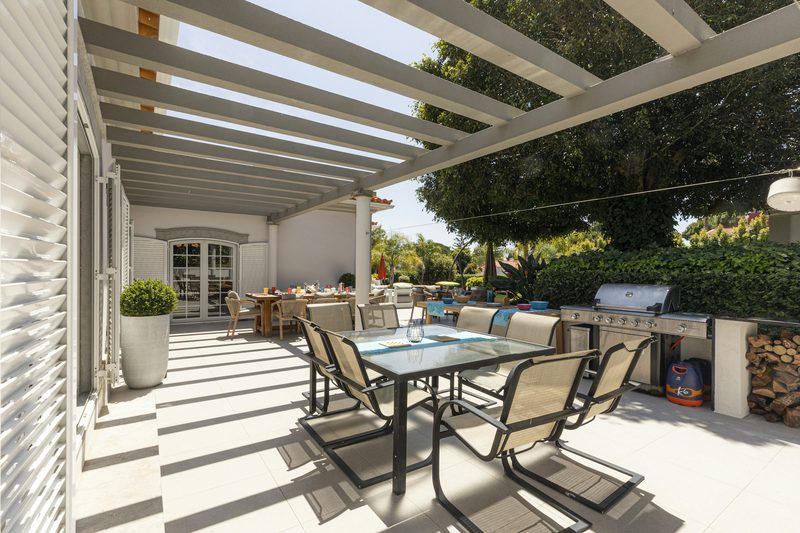
Cost guide
What patio covers cost in Las Vegas in 2026 by roof type and size, with per-square-foot ranges, permit valuations, add-ons and sales tax.
OpenAluminum & Alumawood
Solid and combination aluminum patio covers with a wood-grain finish, attached to the house or freestanding, permitted and engineered for wind.
Open
Insulated covers
Insulated sandwich-panel roofs that block radiant heat, carry fans and recessed lights, and turn a patio into a true outdoor room.
Open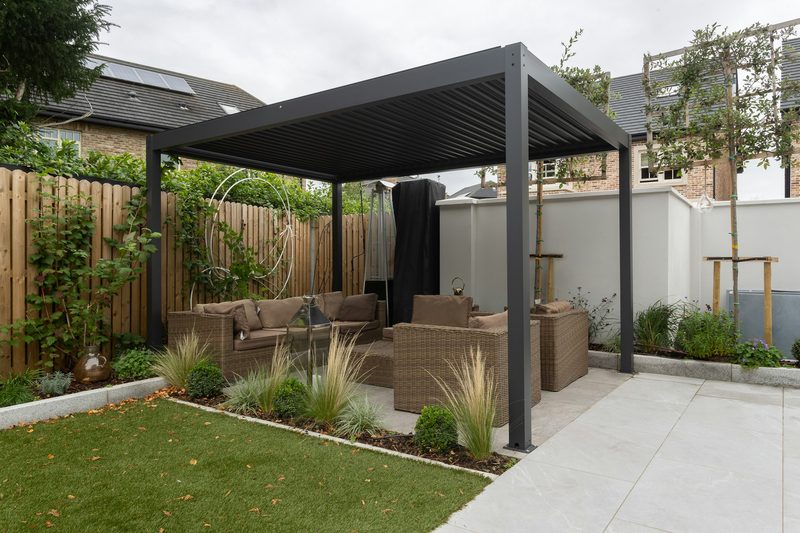
Louvered pergolas
Aluminum pergolas with rotating roof blades you open for winter sun and close against summer heat and monsoon rain, manual or motorized.
Open
Permits & HOA guide
Patio cover permits in Las Vegas, Henderson, North Las Vegas, Boulder City and Clark County, plus HOA design review, setbacks and licensing.
OpenSummerlin
Patio covers in Summerlin: design review committees, village sub-associations, desert-modern and Mediterranean homes, and which office issues the permit.
Open


Next step
Tell us about the patio
Share a few details and one local patio cover installer will call to set up a free on-site measure. You receive a written, itemized bid and decide from there.
- No cost for the site visit
- Design, engineering, HOA paperwork and permits covered in one conversation
- Prefer the phone? (702) 872-2830
Request an estimate